Emergency Water Damage Restoration: A Complete Guide to Fast Recovery and Property Protection
Introduction to Emergency Water Damage Restoration
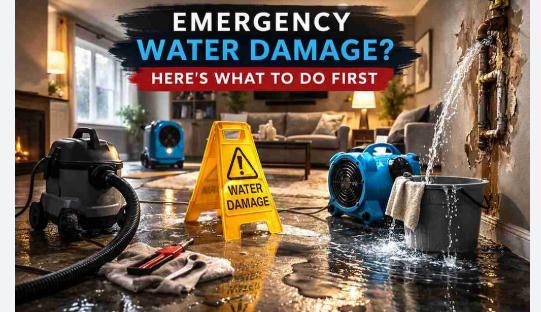
Water damage can happen without warning and leave homeowners facing costly repairs, damaged belongings, and serious safety concerns. A burst pipe, overflowing appliance, severe storm, or plumbing failure can quickly flood a home and create conditions that worsen by the hour. When water enters a property, immediate action becomes critical. Delays can lead to structural damage, mold growth, electrical hazards, and expensive restoration costs.
Emergency water damage restoration is the process of removing water, drying affected areas, repairing damage, and restoring a property to a safe and livable condition. Professional restoration services are designed to respond quickly because every minute matters when dealing with water intrusion.
Understanding how emergency restoration works can help property owners make informed decisions and reduce long-term damage. This guide explains the causes of water damage, the restoration process, prevention strategies, and the benefits of acting quickly.
What Is Emergency Water Damage Restoration?
Emergency water damage restoration refers to the immediate response and recovery services provided after a property experiences water intrusion. The goal is to stop additional damage, remove standing water, dry the structure, and restore affected materials.
Unlike routine repairs, emergency restoration focuses on rapid action. Restoration teams often operate around the clock because water damage can spread rapidly throughout walls, flooring, insulation, furniture, and personal belongings.
Professional restoration companies use specialized equipment to detect hidden moisture and ensure thorough drying. Their work helps prevent mold growth and protects the structural integrity of the building.
Also check- Field Service Management Software Hvac
Common Causes of Water Damage
Water damage can result from many different situations.
Burst Pipes
A burst pipe is one of the most common causes of residential water damage. Aging pipes, freezing temperatures, corrosion, and excessive water pressure can all contribute to pipe failure.
Roof Leaks
Damaged roofing materials can allow rainwater to enter the property. Even small leaks can create major issues if left untreated.
Appliance Failures
Washing machines, dishwashers, refrigerators, and water heaters can leak due to worn hoses, faulty connections, or mechanical problems.
Plumbing Problems
Clogged drains, overflowing toilets, and broken plumbing fixtures can introduce significant amounts of water into a home.
Natural Disasters
Heavy rainfall, hurricanes, flooding, and severe storms often result in widespread water damage affecting entire communities.
Sewage Backups
Sewage backups are among the most serious forms of water damage because they involve contaminated water that can pose health risks.
Signs That You Need Emergency Water Damage Restoration
Some water damage is obvious, while other signs may be hidden behind walls or under flooring.
Look for the following warning signs:
- Standing water inside the property
- Water stains on ceilings or walls
- Warped flooring
- Peeling paint
- Musty odors
- Mold growth
- Bubbling drywall
- Sagging ceilings
- Increased humidity indoors
- Unexplained increases in water bills
Why Immediate Action Matters: Emergency Water Damage Restoration
Time is one of the most important factors in water damage recovery.
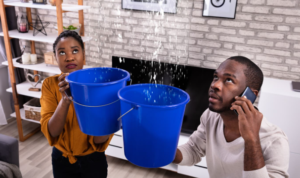
Within minutes, water can spread throughout a property and soak into furniture, flooring, and structural materials.
Within hours, drywall may begin swelling and wood can start absorbing moisture.
Within days, mold growth can begin developing in damp environments.
The longer water remains inside a property, the greater the risk of permanent damage and expensive repairs.
Timeline of Water Damage
| Time After Water Intrusion | Potential Damage |
|---|---|
| First Few Minutes | Water spreads across floors and walls |
| 1-24 Hours | Drywall absorbs water and begins swelling |
| 24-48 Hours | Paint may blister and furniture can deteriorate |
| 48-72 Hours | Mold growth may begin |
| Several Days | Structural damage becomes more severe |
| Weeks | Extensive repairs and reconstruction may be necessary |
The Emergency Water Damage Restoration Process
Professional restoration follows a systematic approach designed to restore the property efficiently.
Initial Assessment: Emergency Water Damage Restoration
The first step involves inspecting the affected area and identifying the source of water intrusion.
Technicians evaluate:
- Extent of water damage
- Type of water involved
- Moisture levels
- Safety concerns
- Structural conditions
A detailed assessment helps create an effective restoration plan.
Water Extraction
Removing standing water is the highest priority.
Powerful pumps and extraction units remove large volumes of water quickly. Fast extraction reduces damage and accelerates the drying process.
Moisture Detection
Water often travels into hidden spaces.
Professionals use moisture meters, thermal imaging cameras, and advanced detection equipment to locate moisture behind walls and beneath flooring.
Drying and Dehumidification
After water extraction, specialized drying equipment is deployed.
High-capacity air movers and industrial dehumidifiers remove moisture from building materials and indoor air.
Cleaning and Sanitization
Water damage frequently leaves behind contaminants, odors, and bacteria.
Cleaning procedures may include:
- Surface disinfection
- Odor removal
- Air purification
- Antimicrobial treatments
Sanitization is particularly important when dealing with sewage backups or floodwater.
Restoration and Repairs
The final phase focuses on repairing damaged materials and restoring the property.
This may involve:
- Drywall replacement
- Flooring repairs
- Painting
- Cabinet restoration
- Structural repairs
The objective is to return the property to its pre-damage condition.
Categories of Water Damage: Emergency Water Damage Restoration
Not all water damage is the same. Restoration professionals classify water based on contamination levels.
| Water Category | Description |
| Category 1 | Clean water from broken pipes or supply lines |
| Category 2 | Gray water containing contaminants from appliances or drains |
| Category 3 | Black water from sewage, flooding, or hazardous sources |
Understanding the water category helps determine the appropriate restoration methods and safety precautions.
How Mold Develops After Water Damage
Spores naturally exist in the environment, but they require moisture to grow. Once water enters a property, mold can begin developing within a short period.
Mold may cause:
- Property damage
- Unpleasant odors
- Indoor air quality concerns
- Damage to walls and ceilings
- Reduced property value
Professional drying and dehumidification are essential for preventing mold growth.
Costs Associated with Water Damage Restoration
The cost of restoration depends on several factors.
These include:
- Size of the affected area
- Water category
- Amount of water present
- Structural damage
- Mold remediation requirements
- Repair complexity
Factors Influencing Restoration Costs: Emergency Water Damage Restoration
| Factor | Impact on Cost |
| Water Volume | Higher water levels increase labor and equipment needs |
| Property Size | Larger properties require more resources |
| Mold Growth | Additional remediation increases costs |
| Structural Damage | Extensive repairs raise expenses |
| Emergency Service | After-hours response may affect pricing |
Preventing Future Water Damage: Emergency Water Damage Restoration
Although not every incident can be prevented, proactive maintenance greatly reduces risk.
Regular inspections help identify problems before they become emergencies.
Important preventive measures include:
- Inspect plumbing systems regularly
- Replace aging pipes
- Maintain roofing materials
- Clean gutters and downspouts
- Monitor appliances for leaks
- Install water leak detectors
- Maintain proper drainage around the property
- Insulate exposed pipes
Understanding Insurance Coverage for Water Damage
Many homeowners assume that all forms of water damage are covered by insurance, but coverage varies depending on the cause of the incident. Reviewing your policy before an emergency occurs can help prevent unexpected expenses.
In many cases, sudden and accidental water damage caused by burst pipes or appliance failures may be covered. However, damage resulting from poor maintenance, gradual leaks, or flooding often requires separate coverage.
After discovering water damage, homeowners should document the affected areas with photographs and videos. Keeping records of damaged belongings and repair estimates can also help support an insurance claim.
Insurance Coverage Overview: Emergency Water Damage Restoration
| Cause of Water Damage | Often Covered by Insurance |
|---|---|
| Burst Pipe | Usually Covered |
| Appliance Failure | Usually Covered |
| Roof Leak from Storm Damage | Often Covered |
| Gradual Plumbing Leak | Often Not Covered |
| Flooding from Natural Disasters | Separate Flood Insurance May Be Required |
| Sewer Backup | May Require Additional Coverage |
Prompt communication with the insurance provider can speed up the claims process and help reduce delays in restoration work.
Emergency Water Damage Restoration for Commercial Properties
Water damage is not limited to residential buildings. Commercial properties frequently experience water-related emergencies that can disrupt business operations and create financial losses.
Office buildings, retail stores, warehouses, hotels, healthcare facilities, and industrial properties all face risks associated with water intrusion.
Commercial restoration projects often require larger equipment, more extensive drying procedures, and careful planning to minimize business interruptions.
Common commercial water damage causes include:
- Plumbing system failures
- Roof leaks
- Fire suppression system discharge
- Storm-related flooding
- HVAC system leaks
- Equipment malfunctions
Fast restoration helps businesses reopen sooner and reduces revenue losses caused by downtime.
Advanced Equipment Used in Water Damage Restoration
Common Restoration Equipment
| Equipment | Purpose |
| Water Extraction Pumps | Remove standing water |
| Wet Vacuums | Extract water from carpets and flooring |
| Air Movers | Increase airflow and accelerate drying |
| Industrial Dehumidifiers | Remove moisture from the air |
| Moisture Meters | Measure moisture levels in materials |
| Thermal Imaging Cameras | Detect hidden water behind surfaces |
| Air Scrubbers | Improve indoor air quality |
| HEPA Filtration Systems | Capture airborne particles |
The use of advanced equipment significantly improves restoration results and reduces the likelihood of future problems.
Health Risks Associated with Water Damage
Water damage can create more than structural problems. It can also affect the health and safety of building occupants.
Contaminated water may contain bacteria, viruses, and harmful microorganisms.
Potential health concerns include:
- Respiratory irritation
- Allergic reactions
- Mold exposure
- Skin irritation
- Bacterial infections
- Poor indoor air quality
Families with children, elderly individuals, and people with weakened immune systems should take extra precautions after a water damage incident.
Professional cleaning and sanitization help reduce health risks and create a safer indoor environment.
What to Do Immediately After Discovering Water Damage
The actions taken during the first few hours can significantly influence the outcome of the restoration process.
Step 1: Ensure Safety
If water is near electrical systems, avoid entering the affected area until it is safe. Shut off electricity if necessary and contact professionals for assistance.
Step 2: Stop the Water Source
Identify and stop the source of the leak whenever possible. This may involve turning off the main water supply or addressing a plumbing issue.
Step 3: Document the Damage
Take photographs and videos before cleanup begins. Detailed documentation can assist with insurance claims.
Step 4: Remove Valuable Items
Move important belongings, electronics, furniture, and personal possessions to a dry area whenever possible.
Choosing the Right Water Damage Restoration Company
Selecting an experienced restoration company can make a significant difference in the quality and speed of recovery.
Property owners should evaluate several factors before hiring a contractor.
Important Qualities to Look For: Emergency Water Damage Restoration
- 24/7 emergency response
- Experience with water damage restoration
- Advanced drying equipment
- Trained technicians
- Positive customer reviews
- Transparent pricing
- Insurance claim assistance
- Comprehensive restoration services
A reputable company will provide a detailed assessment and explain the restoration process clearly before work begins.
Long-Term Effects of Untreated Water Damage
Ignoring water damage can result in severe consequences that become more expensive over time.
Common long-term problems include:
- Structural weakening
- Wood rot
- Mold infestations
- Ceiling collapse
- Damaged insulation
- Flooring deterioration
- Electrical hazards
- Reduced property value
What begins as a small leak can eventually require extensive reconstruction if moisture remains trapped inside building materials.
Water Damage Prevention Tips for Homeowners
Preventive maintenance remains one of the most effective ways to avoid costly restoration projects.
Homeowners should establish a regular inspection schedule and address small issues before they become emergencies.
Home Water Damage Prevention Checklist
| Maintenance Task | Recommended Frequency |
| Inspect Plumbing Connections | Every 6 Months |
| Check Roof Condition | Annually |
| Clean Gutters | Twice Per Year |
| Inspect Appliance Hoses | Every 6 Months |
| Test Sump Pump | Quarterly |
| Check Water Heater | Annually |
| Inspect Foundation Drainage | Annually |
| Monitor Water Bills for Leaks | Monthly |
Simple maintenance steps can prevent thousands of dollars in repair expenses.
Conclusion
Emergency water damage restoration plays a critical role in protecting homes, businesses, and personal belongings after unexpected water intrusion. Whether caused by a burst pipe, severe storm, appliance failure, or flooding event, water damage requires immediate attention to minimize losses and prevent additional complications.
Rapid water extraction, professional drying, thorough cleaning, and proper restoration techniques help return a property to a safe and functional condition. Delaying action can increase repair costs, encourage mold growth, and lead to long-term structural problems.
Property owners who understand the restoration process and invest in preventive maintenance are better prepared to respond when emergencies occur. By acting quickly and working with qualified restoration professionals, homeowners and business owners can protect their investments and recover more effectively from water-related disasters.