
Attack Surface Management Tools
Cybersecurity threats continue to grow every year. Businesses of all sizes are adding new websites, cloud services, applications, remote devices, and online platforms. While these digital assets help companies operate more efficiently, they also create more opportunities for cybercriminals.
Every internet-facing asset can become a potential entry point for attackers. If organizations do not know what assets they have exposed online, they may leave security gaps without realizing it.
This is where attack surface management tools play an important role.
These tools help organizations discover, monitor, and manage internet-facing assets that could be targeted by hackers. Instead of waiting for a security incident to happen, businesses can identify risks early and reduce their exposure.
In this guide, you will learn what attack surface management tools are, how they work, their benefits, important features, and how organizations can choose the right solution for their cybersecurity strategy.
What Are Attack Surface Management Tools?
Attack surface management tools are cybersecurity solutions designed to identify and monitor all digital assets that are visible from the internet.
The goal is simple: help organizations understand what attackers can see.
Many companies have more online assets than they realize. These assets may include:
- Websites
- Domains
- Subdomains
- Cloud resources
- Web applications
- APIs
- Remote access systems
- Public-facing servers
When security teams cannot see all exposed assets, attackers may find weaknesses before defenders do.
Attack surface management tools provide visibility into these assets and help security teams address risks quickly.
Understanding the Attack Surface
An attack surface includes all possible points where a cybercriminal could attempt to gain access to systems or data.
As businesses grow, their attack surfaces often expand.
Common examples include:
| Asset Type | Potential Risk |
|---|---|
| Websites | Software vulnerabilities |
| Cloud Services | Misconfigured settings |
| APIs | Unauthorized access |
| Email Systems | Phishing attacks |
| Remote Access Tools | Credential theft |
| Public Servers | Security weaknesses |
The larger the attack surface, the greater the need for continuous monitoring.
Why Attack Surface Visibility Matters
Many organizations believe they know every system connected to their network.
However, reality is often different.
New systems may be created without security team involvement. Employees may launch applications, developers may create test environments, and cloud resources may remain active after projects end.
These hidden assets are often called unknown assets.
Unknown assets create risk because:
- They may not receive security updates.
- They may have weak configurations.
- They may contain sensitive information.
- Security teams may not monitor them.
Attack surface management tools help organizations discover these assets before attackers find them.
How Attack Surface Management Tools Work
Most solutions follow a similar process.
Asset Discovery
The platform scans external environments to identify internet-facing assets.
This process often reveals systems that organizations were unaware of.
Asset Classification
Discovered assets are organized into categories such as:
- Domains
- Applications
- Cloud resources
- Servers
- APIs
Risk Analysis
The tool evaluates potential security issues associated with each asset.
Continuous Monitoring
Assets are monitored continuously for changes or new exposures.
Alerting
Security teams receive notifications when new risks appear.
This process allows organizations to respond quickly to potential threats.
Benefits of Attack Surface Management Tools
Organizations invest in these solutions because they provide several important benefits.
Improved Visibility
Security teams gain a clearer picture of their internet-facing assets.
Faster Risk Detection
Threats can be identified before they become major incidents.
Better Security Prioritization
Teams can focus on the most important risks first.
Reduced Human Error
Automation helps reduce manual tracking mistakes.
Stronger Compliance
Many regulations require organizations to understand and protect exposed systems.
Key Features to Look For
Not every solution offers the same capabilities.
When evaluating attack surface management tools, businesses should consider the following features.
Automated Asset Discovery
The platform should continuously discover internet-facing assets.
Continuous Monitoring
Security changes happen daily. Continuous monitoring helps organizations stay informed.
Risk Scoring
Assets should receive risk ratings to help prioritize remediation efforts.
Cloud Visibility
Modern businesses rely heavily on cloud environments.
Alert Management
The system should provide clear notifications when risks are detected.
Reporting and Dashboards
Easy-to-read dashboards improve visibility for both technical and business teams.
Internal vs External Attack Surface Management
Attack surfaces can be divided into internal and external categories.
Comparison Table
| Category | Internal | External |
| Visibility | Internal Network | Internet Facing |
| Access | Employees | Public Users |
| Monitoring Focus | Internal Systems | External Assets |
| Risk Source | Insider Threats | External Attackers |
Most organizations place significant emphasis on external attack surface management tools because internet-facing systems are often the first targets for attackers.
What Are External Attack Surface Management Tools?
External attack surface management tools focus specifically on assets that can be accessed from outside the organization.
These tools help identify:
- Public websites
- Internet-facing servers
- Cloud resources
- Exposed databases
- Vulnerable applications
- Unused domains
Since attackers usually begin from outside the network, external visibility is a critical part of cybersecurity.
Common Security Risks Found by Attack Surface Management Tools
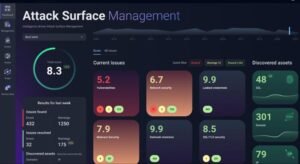
Organizations often discover unexpected issues during scans.
Common findings include:
Exposed Services
Systems may be publicly accessible when they should not be.
Forgotten Assets
Old servers and applications may still be online.
Weak Security Configurations
Misconfigured systems can create security gaps.
Expired Certificates
Expired security certificates may create trust issues.
Shadow IT
Departments may deploy systems without informing security teams.
Vulnerable Applications
Outdated software may contain known vulnerabilities.
Industries That Benefit from Attack Surface Management
Many industries use these tools to strengthen security.
Financial Services
Banks and financial organizations handle sensitive customer data.
Healthcare
Healthcare providers must protect patient information.
Technology Companies
Technology businesses often manage large and complex digital environments.
Retail
Retailers process payment information and customer records.
Government Agencies
Public sector organizations require strong cybersecurity controls.
Manufacturing
Connected devices and operational systems create additional attack surfaces.
Also check – Attack Surface Management Tools: Strengthen Your Cybersecurity Posture
Attack Surface Management Vendors
The market for Attack Surface Management Vendors has grown significantly in recent years.
Organizations now have many options when selecting a platform.
Different vendors focus on:
- Asset discovery
- Risk monitoring
- Threat intelligence
- Vulnerability management
- Cloud security
When evaluating vendors, organizations should consider:
| Evaluation Area | Importance |
| Ease of Use | Simplifies adoption |
| Asset Discovery Quality | Improves visibility |
| Reporting Features | Supports decision making |
| Scalability | Supports growth |
| Customer Support | Improves experience |
| Integration Options | Works with existing tools |
Selecting the right vendor depends on business goals and security requirements.
Attack Surface Management Gartner Magic Quadrant
Many technology buyers research market reports before selecting security solutions.
The phrase Attack Surface Management Gartner Magic Quadrant is often searched by organizations evaluating cybersecurity products.
Businesses frequently use industry research reports to compare vendors based on:
- Product capabilities
- Market presence
- Innovation
- Customer experience
- Long-term strategy
While research reports can be useful, organizations should also evaluate their own security needs before making a purchasing decision.
The best solution for one company may not be the best fit for another.
Why Continuous Monitoring Is Important
Cybersecurity is not a one-time activity.
New assets appear regularly.
Examples include:
- New websites
- New cloud resources
- New applications
- New domains
Without continuous monitoring, security teams may miss important changes.
Attack surface management tools help organizations stay informed as environments evolve.
Common Challenges Without Attack Surface Management
Organizations that lack visibility often face several challenges.
Limited Awareness
Security teams may not know about all exposed assets.
Slow Risk Detection
Problems may remain unnoticed for long periods.
Resource Waste
Teams spend time manually tracking assets.
Increased Security Exposure
Unknown systems can become easy targets for attackers.
Compliance Difficulties
Audits become more difficult when asset inventories are incomplete.
How to Choose the Best Attack Surface Management Tools
Every organization has unique requirements.
When selecting a solution, consider the following factors.
Ease of Deployment
The platform should be easy to implement.
Scalability
The solution should support future growth.
Asset Discovery Accuracy
Accurate visibility is essential.
Cloud Environment Support
Cloud environments continue to expand.
Integration Capabilities
The platform should connect with existing security tools.
Reporting Features
Clear reporting helps communicate risks to leadership.
Future Trends in Attack Surface Management
The cybersecurity landscape continues to evolve.
Several trends are shaping the future of attack surface management.
Greater Automation
Automation reduces manual effort and improves efficiency.
Cloud Expansion
Organizations continue moving workloads to the cloud.
Real-Time Visibility
Businesses want immediate awareness of security changes.
Improved Risk Prioritization
Security teams need better ways to focus on critical risks.
Stronger Integration
Attack surface management platforms increasingly connect with other security solutions.
Frequently Asked Questions (FAQs)
1. What are attack surface management tools?
Attack surface management tools help organizations discover, monitor, and manage internet-facing assets that could be targeted by cybercriminals.
2. Why are attack surface management tools important?
They provide visibility into exposed assets and help security teams identify risks before attackers exploit them.
3. What is an attack surface?
An attack surface includes all digital assets and entry points that attackers may target.
4. What are external attack surface management tools?
These tools focus on internet-facing assets such as websites, cloud resources, domains, and public servers.
5. Who uses attack surface management solutions?
Businesses, healthcare providers, financial institutions, government agencies, retailers, and technology companies commonly use them.
6. What risks can these tools identify?
They can identify exposed services, misconfigurations, vulnerable systems, forgotten assets, and shadow IT resources.
7. How often should attack surfaces be monitored?
Continuous monitoring is recommended because new assets and risks appear regularly.
8. What should I look for in attack surface management vendors?
Consider asset discovery capabilities, reporting features, scalability, integrations, customer support, and ease of use.
9. Can attack surface management improve compliance?
Yes. Improved asset visibility supports regulatory compliance and audit readiness.
10. How do attack surface management tools support cybersecurity?
They help organizations identify risks early, prioritize remediation efforts, and maintain awareness of their digital environments.
Conclusion
As businesses continue expanding their digital presence, cybersecurity visibility becomes more important than ever. Unknown internet-facing assets can create opportunities for attackers and increase organizational risk.
Attack surface management tools help businesses discover, monitor, and secure these assets before they become security problems. By improving visibility, automating asset discovery, and supporting continuous monitoring, these solutions strengthen overall cybersecurity programs.
Organizations evaluating external attack surface management tools, comparing Attack Surface Management Vendors, or researching the Attack Surface Management Gartner Magic Quadrant should focus on solutions that match their business needs and security goals.
A strong attack surface management strategy helps organizations stay proactive, reduce risks, and better protect their digital environments in an increasingly connected world.