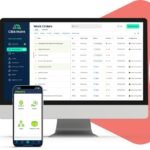
Telemedicine Software
Patients no longer need to visit a clinic or hospital for every medical consultation. With the help of digital technology, many healthcare services can now be provided remotely.
One of the biggest reasons for this change is telemedicine software. This technology allows doctors, healthcare professionals, and patients to connect through secure online platforms. Video consultations, digital prescriptions, appointment scheduling, and remote patient monitoring have become common parts of modern healthcare.
Patients appreciate the convenience of receiving care from home, while healthcare providers can improve efficiency and serve more people. As demand for virtual healthcare continues to grow, telemedicine solutions are becoming an important investment for medical organizations.
This guide explains what telemedicine software is, how it works, its benefits, key features, and what businesses should know about telemedicine software development.
What Is Telemedicine Software?
Telemedicine software is a digital platform that enables healthcare providers and patients to communicate remotely using internet-connected devices.
The software helps healthcare professionals provide medical services without requiring patients to be physically present in a clinic.
Telemedicine platforms commonly support:
- Video consultations
- Audio calls
- Secure messaging
- Appointment scheduling
- Electronic prescriptions
- Medical record access
- Patient monitoring
These tools help create a convenient healthcare experience for both providers and patients.
Why Telemedicine Is Growing
Several factors have contributed to the popularity of telemedicine.
Patients today want healthcare services that fit into their busy schedules. Traveling to a clinic can take time and may not always be necessary for routine consultations.
Healthcare providers also face challenges such as staffing shortages, increasing patient demand, and operational costs.
Telemedicine helps address many of these issues.
Benefits for Patients
- Reduced travel time
- Faster access to care
- Improved convenience
- Easier follow-up appointments
- Access to specialists
Benefits for Providers
- Increased efficiency
- Better patient engagement
- Reduced overhead costs
- Expanded service areas
- Improved appointment management
These advantages continue to drive adoption across the healthcare industry.
How Telemedicine Software Works
Telemedicine platforms connect patients and healthcare professionals through a secure digital environment.
The typical process includes:
Patient Registration
Patients create an account and enter personal information.
Appointment Scheduling
Patients choose available appointment times.
Virtual Consultation
Doctors and patients connect through secure video or audio communication.
Medical Evaluation
Healthcare professionals review symptoms, discuss concerns, and provide guidance.
Treatment Plan
The provider may recommend treatment, prescribe medication, or schedule follow-up care.
Medical Record Storage
Consultation details are securely stored within the platform.
This process helps deliver healthcare services efficiently and conveniently.
Key Features of Telemedicine Software
Modern telemedicine platforms include many useful features.
Video Conferencing
High-quality video communication is one of the most important features.
Secure Messaging
Patients and providers can exchange messages safely.
Appointment Scheduling
Online scheduling reduces administrative work.
Electronic Prescriptions
Doctors can send prescriptions directly to pharmacies.
Medical Records Management
Patient records can be stored and accessed digitally.
Billing and Payments
Many systems include integrated payment processing.
Remote Monitoring
Some platforms allow healthcare providers to monitor patient health data remotely.
Telemedicine Software Features Comparison
| Feature | Benefit |
|---|---|
| Video Consultations | Real-time doctor-patient communication |
| Secure Messaging | Improved communication |
| Appointment Scheduling | Better organization |
| E-Prescriptions | Faster medication management |
| Medical Records | Easy access to patient data |
| Billing System | Streamlined payments |
| Remote Monitoring | Ongoing patient care |
These features help create a smooth healthcare experience.
Benefits of Telemedicine Software
Healthcare organizations invest in telemedicine solutions for several reasons.
Improved Patient Access
Patients in rural or remote areas can connect with healthcare professionals more easily.
Better Convenience
Virtual appointments reduce travel and waiting times.
Increased Efficiency
Healthcare providers can manage appointments more effectively.
Cost Savings
Digital consultations may reduce certain operational expenses.
Higher Patient Satisfaction
Convenience often leads to better patient experiences.
Expanded Healthcare Reach
Providers can serve patients beyond their immediate geographic area.
Industries Using Telemedicine Software
Telemedicine technology is used across many healthcare sectors.
Primary Care
General practitioners use telemedicine for routine consultations.
Mental Health Services
Therapists and counselors frequently provide virtual sessions.
Dermatology
Patients can share images and receive evaluations remotely.
Pediatrics
Parents can consult healthcare providers about common childhood concerns.
Chronic Disease Management
Patients with ongoing conditions benefit from remote monitoring.
Senior Care
Telemedicine helps older adults access healthcare without frequent travel.
Telemedicine Software Development
As healthcare needs continue to evolve, many organizations invest in telemedicine software development.
Custom software solutions allow healthcare providers to create platforms tailored to their specific requirements.
Development projects often focus on:
- User-friendly interfaces
- Secure communication
- HIPAA compliance
- Appointment management
- Medical record integration
- Mobile accessibility
Custom solutions may provide greater flexibility than off-the-shelf software.
Important Considerations During Development
Building healthcare software requires careful planning.
Security
Patient information must be protected.
Compliance
Healthcare regulations must be followed.
User Experience
Patients and providers should be able to use the system easily.
Scalability
The platform should support future growth.
Reliability
Healthcare services require stable performance.
Organizations that invest in quality development often achieve better long-term results.

Choosing a Telemedicine Software Company
Selecting the right telemedicine software company is an important decision.
Healthcare organizations should evaluate potential partners carefully.
Experience
Companies with healthcare technology experience often understand industry requirements better.
Security Expertise
Strong security practices are essential when handling patient information.
Technical Support
Reliable support helps maintain smooth operations.
Customization Options
Different healthcare providers have unique needs.
Integration Capabilities
The platform should work with existing healthcare systems.
Choosing an experienced partner can contribute significantly to project success.
Also check – Telemedicine Software: Transform Virtual Healthcare Delivery
Telemedicine Software Provider vs Custom Development
Organizations often choose between purchasing an existing solution or building custom software.
Comparison Table
| Factor | Telemedicine Software Provider | Custom Development |
| Setup Time | Faster | Longer |
| Initial Cost | Lower | Higher |
| Customization | Limited | Extensive |
| Maintenance | Managed by Provider | Managed Internally |
| Flexibility | Moderate | High |
| Scalability | Varies | High |
The best option depends on organizational goals and available resources.
What Makes a Good Telemedicine Software Provider?
A reliable telemedicine software provider should offer more than just technology.
Important qualities include:
- Strong security standards
- Easy-to-use platform
- Reliable customer support
- Regular software updates
- Compliance support
- Flexible pricing options
Healthcare organizations should carefully review providers before making a decision.
Common Challenges in Telemedicine
While telemedicine offers many benefits, some challenges still exist.
Internet Connectivity
Poor internet connections can affect consultation quality.
Technology Adoption
Some users may require additional support when using new systems.
Data Security Concerns
Healthcare organizations must protect sensitive information.
Regulatory Requirements
Healthcare regulations vary by location.
Integration Issues
New systems may need to connect with existing software.
Understanding these challenges helps organizations prepare effectively.
Security in Telemedicine Software
Security remains one of the most important aspects of telemedicine.
Healthcare data is highly sensitive and valuable.
Strong telemedicine platforms often include:
- Data encryption
- User authentication
- Secure communication channels
- Access controls
- Audit logs
Security should be considered throughout the entire software lifecycle.
Future of Telemedicine Software
The future of virtual healthcare looks promising.
Several trends are expected to shape the industry.
Mobile Healthcare Growth
More patients are using smartphones for healthcare services.
Remote Monitoring Expansion
Healthcare providers increasingly monitor patient health remotely.
Improved User Experiences
Software platforms continue becoming easier to use.
Greater Accessibility
Virtual healthcare is reaching more communities.
Enhanced Integration
Healthcare systems are becoming more connected.
These developments will likely increase the value of telemedicine technology in the coming years.
Why Healthcare Organizations Are Investing in Telemedicine
Healthcare providers are looking for ways to improve patient care while managing costs.
Telemedicine supports both goals.
Benefits include:
- Improved healthcare access
- Better operational efficiency
- Stronger patient engagement
- Flexible care delivery
- Enhanced patient satisfaction
As digital healthcare becomes more common, telemedicine platforms are becoming a key part of healthcare strategies.
Frequently Asked Questions (FAQs)
1. What is telemedicine software?
Telemedicine software is a digital platform that allows healthcare providers and patients to communicate remotely through video calls, messaging, and other online tools.
2. What are the benefits of telemedicine software?
Benefits include improved patient access, convenience, operational efficiency, and reduced travel requirements.
3. Who uses telemedicine software?
Doctors, hospitals, clinics, therapists, healthcare organizations, and patients commonly use telemedicine platforms.
4. What features should telemedicine software include?
Important features include video consultations, appointment scheduling, secure messaging, electronic prescriptions, billing, and medical records management.
5. What is telemedicine software development?
Telemedicine software development involves designing and building healthcare platforms that support virtual care services.
6. How do I choose a telemedicine software company?
Look for experience, healthcare expertise, security standards, customer support, and customization capabilities.
7. What does a telemedicine software provider do?
A telemedicine software provider offers ready-to-use solutions that healthcare organizations can implement for virtual care services.
8. Is telemedicine software secure?
Modern telemedicine platforms typically use encryption, authentication, and security controls to protect patient information.
9. Can telemedicine software integrate with existing healthcare systems?
Many platforms support integration with electronic health records and other healthcare applications.
10. What is the future of telemedicine?
The future includes greater use of mobile healthcare, remote monitoring, improved patient experiences, and expanded access to healthcare services.
Conclusion
The healthcare industry continues to embrace digital transformation, and telemedicine software plays a major role in this evolution. By enabling virtual consultations, secure communication, and convenient healthcare access, telemedicine solutions benefit both patients and providers.
Organizations exploring telemedicine software development should focus on security, compliance, usability, and scalability. Whether partnering with a telemedicine software company or selecting a trusted telemedicine software provider, choosing the right solution can improve healthcare delivery and patient satisfaction.
As technology advances and patient expectations evolve, telemedicine will continue to be an important part of modern healthcare. Healthcare organizations that adopt effective telemedicine solutions today will be better prepared for the future of digital care.