Best Supply Chain Management Software: A Complete Guide for Modern Businesses
Introduction to Best Supply Chain Management Software
From raw materials to finished products, every stage of production and delivery depends on smooth coordination. Companies that manage inventory, shipping, purchasing, warehousing, and supplier relationships efficiently are often more competitive and profitable.
As businesses grow, handling these operations manually becomes difficult. Delays, inventory shortages, inaccurate forecasting, and communication problems can affect productivity and customer satisfaction. This is why many companies invest in the best supply chain management software to improve efficiency and maintain better control over operations.
Supply chain management software helps businesses monitor inventory, manage suppliers, automate workflows, and track shipments in real time. It reduces operational errors and helps organizations make faster decisions using accurate data.
This guide explains how supply chain management software works, its key features, benefits, challenges, pricing factors, and how businesses can choose the right solution.
What Is Supply Chain Management Software: Best Supply Chain Management Software
Supply chain management software is a digital system designed to help businesses manage the movement of products, services, and information throughout the supply chain process.
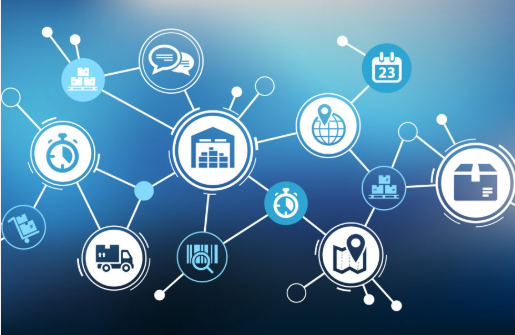
The software connects different operational areas, including:
- Procurement
- Inventory management
- Warehouse operations
- Transportation
- Supplier communication
- Order fulfillment
- Demand forecasting
Instead of using separate systems for each task, businesses can manage everything through one centralized platform.
Also check- No Exam Life Insurance Quotes
Why Supply Chain Management Software Is Important
Modern supply chains are more complex than ever. Businesses may work with suppliers, warehouses, manufacturers, and transportation providers across multiple regions or countries.
Without proper management tools, companies may experience:
- Inventory shortages
- Delayed shipments
- Increased operating costs
- Poor communication
- Customer dissatisfaction
- Lost sales opportunities
Supply chain software helps businesses improve visibility and make better operational decisions.
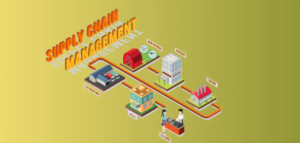
How Supply Chain Management Software Works: Best Supply Chain Management Software
The software collects and organizes data from different departments and supply chain activities.
For example:
- Inventory systems track product levels
- Logistics tools monitor shipments
- Supplier systems manage purchasing
- Forecasting tools analyze future demand
All information is stored in one system, allowing managers to view real-time updates and generate reports quickly.
Main Features of Supply Chain Management Software
Different platforms offer different capabilities, but most solutions include several core features.
Common Software Features
| Feature | Purpose |
|---|---|
| Inventory Management | Tracks stock levels and product movement |
| Order Management | Handles customer orders and fulfillment |
| Supplier Management | Maintains supplier communication and performance |
| Warehouse Management | Organizes storage and inventory handling |
| Transportation Management | Tracks shipping and delivery operations |
| Demand Forecasting | Predicts future inventory needs |
| Reporting and Analytics | Provides operational insights and reports |
These features help businesses improve efficiency and reduce errors.
Inventory Management Functions: Best Supply Chain Management Software
Inventory management is one of the most important parts of supply chain software.
The system helps businesses:
- Monitor stock levels
- Reduce overstocking
- Prevent shortages
- Track product movement
- Manage multiple warehouses
Real-time inventory visibility helps businesses respond quickly to changes in customer demand.
Order Management Capabilities
Order management tools help businesses process customer orders accurately and efficiently.
Common Order Management Tasks: Best Supply Chain Management Software
- Order entry
- Payment tracking
- Shipment coordination
- Delivery tracking
- Returns processing
Automated order management reduces delays and improves customer satisfaction.
Supplier Management Tools: Best Supply Chain Management Software
Strong supplier relationships are essential for stable operations.
Supply chain software helps businesses:
- Store supplier records
- Compare supplier performance
- Track delivery timelines
- Monitor pricing agreements
- Improve communication
Efficient supplier management can reduce delays and strengthen long-term partnerships.
Warehouse Management Features: Best Supply Chain Management Software
Warehouse operations become difficult to manage manually as inventory grows.
Warehouse management features help with:
- Product location tracking
- Barcode scanning
- Storage optimization
- Picking and packing
- Inventory movement tracking
These tools improve accuracy and reduce labor costs.
Transportation and Logistics Management: Best Supply Chain Management Software
Transportation management features help businesses control shipping operations.
Key Logistics Functions
| Function | Benefit |
|---|---|
| Route Planning | Reduces fuel costs |
| Shipment Tracking | Improves visibility |
| Carrier Management | Organizes transportation providers |
| Delivery Scheduling | Reduces delays |
| Freight Cost Tracking | Controls transportation expenses |
Real-time tracking allows businesses to respond quickly when problems occur.
Demand Forecasting and Planning: Best Supply Chain Management Software
Forecasting tools analyze historical sales data and market trends.
This helps businesses:
- Predict future demand
- Avoid inventory shortages
- Reduce excess stock
- Plan production schedules
Accurate forecasting improves financial planning and operational stability.
Benefits of Supply Chain Management Software
Businesses use supply chain software because it offers many advantages.
Improved Efficiency
Automation reduces manual work and speeds up operations.
Better Inventory Control
Businesses can monitor inventory levels more accurately.
Reduced Costs
Efficient operations lower waste, shipping expenses, and labor costs.
Faster Decision-Making
Managers can access real-time data and reports instantly.
Better Customer Satisfaction
Faster deliveries and accurate order processing improve customer experiences.
Industries That Use Supply Chain Software: Best Supply Chain Management Software
Many industries rely on supply chain management systems.
Common Industries
| Industry | Typical Use |
|---|---|
| Manufacturing | Production and inventory management |
| Retail | Stock control and order fulfillment |
| Healthcare | Medical supply tracking |
| Food Distribution | Perishable goods management |
| Automotive | Parts and supplier coordination |
| E-commerce | Shipping and inventory automation |
Almost any business that handles inventory can benefit from these systems.
Cloud-Based vs On-Premise Software: Best Supply Chain Management Software
Businesses usually choose between cloud-based and on-premise solutions.
Cloud-Based Software
Cloud systems operate online and are hosted by the software provider.
Benefits include:
- Lower upfront costs
- Remote access
- Automatic updates
- Easier scalability
On-Premise Software
On-premise systems are installed directly on company servers.
Benefits include:
- Greater control
- Custom security settings
- Internal data storage
The best option depends on the company’s budget and operational needs.
Top Features Businesses Should Look For: Best Supply Chain Management Software
Choosing the right software requires careful evaluation.
Important Features
- User-friendly interface
- Real-time reporting
- Mobile access
- Integration with existing systems
- Automation capabilities
- Strong customer support
- Scalability for future growth
Software should support both current and future business needs.
Challenges Businesses Face Without Proper Software
Companies using outdated systems often struggle with operational problems.
Common Challenges
- Manual data entry errors
- Delayed shipments
- Inventory mismanagement
- Poor forecasting
- Communication breakdowns
- Limited operational visibility
Modern software helps reduce these issues significantly.
Role of Automation in Supply Chain Management
Automation has become a major part of modern supply chain systems.
Automated functions may include:
- Purchase order generation
- Shipment notifications
- Inventory updates
- Invoice processing
- Supplier communication
Automation reduces human error and improves productivity.
Importance of Real-Time Data: Best Supply Chain Management Software
Real-time information helps businesses react quickly to changing conditions.
For example:
- Inventory shortages can be addressed immediately
- Delayed shipments can be tracked
- Demand spikes can be managed faster
Accurate real-time data improves operational decision-making.
Integration With Other Business Systems: Best Supply Chain Management Software
Many businesses use multiple software platforms.
Supply chain software often integrates with:
- Accounting software
- ERP systems
- CRM platforms
- E-commerce systems
- Payroll software
Integration reduces duplicate work and improves data consistency.
Mobile Access and Remote Management: Best Supply Chain Management Software
Modern businesses often require remote access to operations.
Mobile-friendly systems allow managers to:
- Track shipments
- Monitor inventory
- Approve orders
- Review reports
This flexibility improves operational control from any location.
Artificial Intelligence in Supply Chain Software: Best Supply Chain Management Software
Artificial intelligence is becoming increasingly important in supply chain operations.
AI tools may help with:
- Demand prediction
- Risk analysis
- Delivery optimization
- Inventory planning
- Supplier evaluation
AI-driven insights can improve efficiency and reduce operational costs.
Cybersecurity and Data Protection: Best Supply Chain Management Software
Supply chain systems store sensitive operational data.
Strong security measures are essential.
Important Security Features
| Security Feature | Purpose |
|---|---|
| Data Encryption | Protects information |
| Multi-Factor Authentication | Prevents unauthorized access |
| User Permissions | Controls employee access |
| Backup Systems | Prevents data loss |
| Security Monitoring | Detects suspicious activity |
Businesses should always prioritize software security.
Common Mistakes When Choosing Software
Some businesses select software without fully evaluating their needs.
Mistakes to Avoid
- Choosing based only on price
- Ignoring scalability
- Overlooking integration compatibility
- Selecting overly complex systems
- Failing to train employees properly
Careful planning improves long-term results.
Employee Training and Adoption
Even the best software can fail if employees are not properly trained.
Training should cover:
- Daily operations
- Reporting tools
- Inventory procedures
- Security practices
Well-trained employees use the system more efficiently.
Costs of Supply Chain Management Software
Software pricing varies depending on features and company size.
Common Pricing Factors
| Factor | Impact on Cost |
|---|---|
| Number of Users | More users increase pricing |
| Features Included | Advanced tools cost more |
| Cloud vs On-Premise | Different pricing structures |
| Customization Needs | Custom systems increase expenses |
| Support Services | Premium support may cost extra |
Businesses should evaluate total long-term costs before purchasing.
Small Business Supply Chain Solutions
Small businesses often need affordable and simple systems.
Smaller companies usually prioritize:
- Easy setup
- Affordable pricing
- Inventory tracking
- Basic reporting
- E-commerce integration
Cloud-based platforms are often popular among small businesses.
Enterprise-Level Supply Chain Software
Large organizations require more advanced features.
Enterprise systems may include:
- Multi-location management
- Advanced analytics
- International logistics support
- AI forecasting
- Supplier performance tracking
These systems are designed for complex operations.
Role of Analytics and Reporting
Reporting tools help businesses understand operational performance.
Useful Reports
- Inventory turnover reports
- Supplier performance reports
- Shipping cost analysis
- Demand forecasting reports
- Warehouse efficiency reports
Better reporting improves business planning and cost management.
Supply Chain Risks Businesses Face
Supply chains can be affected by many unexpected problems.
Common Risks
- Supplier delays
- Transportation disruptions
- Natural disasters
- Cyberattacks
- Labor shortages
- Market demand changes
Supply chain software helps businesses respond more effectively to disruptions.
Sustainability and Supply Chain Management
Many businesses now focus on environmentally responsible operations.
Supply chain software can support sustainability by helping companies:
- Reduce waste
- Optimize shipping routes
- Lower fuel usage
- Monitor supplier sustainability practices
Efficient operations often reduce environmental impact.
Future Trends in Supply Chain Management Software
Technology continues changing supply chain operations rapidly.
Emerging Trends
| Trend | Impact |
|---|---|
| Artificial Intelligence | Smarter forecasting |
| Automation | Faster operations |
| Blockchain | Better transparency |
| IoT Devices | Real-time monitoring |
| Predictive Analytics | Improved planning |
Businesses adopting modern technology may gain competitive advantages.
Questions to Ask Before Choosing Software
Before selecting a platform, businesses should ask important questions.
Helpful Questions
- Does the software support future growth?
- Is technical support available?
- Can the software integrate with current systems?
- Is employee training included?
- What security protections are offered?
- Are updates automatic?
- What reporting tools are included?
These questions help businesses make better decisions.
Importance of Customer Support
Reliable customer support is extremely important during software implementation and daily operations.
Good providers offer:
- Technical assistance
- Employee training
- System updates
- Troubleshooting support
Strong support reduces downtime and operational disruptions.
Long-Term Value of Supply Chain Software
Although implementation may require investment, supply chain software often provides long-term value.
Benefits may include:
- Lower operating costs
- Better inventory control
- Faster deliveries
- Improved customer satisfaction
- Greater profitability
Efficient supply chains often strengthen overall business performance.
Conclusion
Supply chain operations are becoming more complex as businesses grow and customer expectations increase. Managing inventory, suppliers, transportation, and order fulfillment manually can create delays, errors, and financial losses.
The best supply chain management software helps businesses improve visibility, automate operations, reduce costs, and make better decisions using real-time information. Whether for small businesses or large enterprises, the right system can significantly improve efficiency and long-term performance.
By understanding key features, comparing software options carefully, and selecting a platform that fits operational needs, businesses can strengthen their supply chains and remain competitive in a fast-changing market.