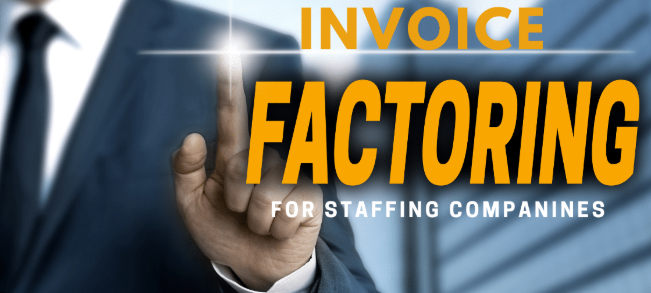
Invoice Factoring Company: A Complete Guide for Businesses Seeking Fast Cash Flow
Introduction to Invoice Factoring Company
Cash flow is one of the most important factors in the success of any business. Even profitable companies can face financial challenges when customers take weeks or months to pay their invoices.
Many businesses experience this situation, especially those operating in industries where payment terms range from 30 to 90 days. Waiting for customers to pay can create a financial gap that affects daily operations and limits expansion plans.
Instead of waiting for customer payments, businesses can receive a large portion of the invoice value within a short period. This allows companies to maintain steady cash flow and continue operating without interruption.
This guide explains how invoice factoring companies work, their benefits, costs, industries that commonly use factoring services, and how businesses can choose the right provider.
What Is an Invoice Factoring Company?: Invoice Factoring Company
An invoice factoring company is a financial service provider that purchases unpaid business invoices in exchange for immediate cash.
Rather than waiting for customers to pay invoices according to agreed terms, a business can sell those invoices to a factoring company. The factoring company advances a percentage of the invoice value and later collects payment directly from the customer.
This process provides businesses with quick access to funds without taking on traditional debt.
Unlike a loan, factoring is based on the value of outstanding invoices rather than the business owner’s personal credit score or collateral.
Also check- Best Supply Chain Management Software
How Invoice Factoring Works: Invoice Factoring Company
The factoring process is relatively straightforward.
A business provides products or services to a customer and issues an invoice.
Instead of waiting for payment, the business submits the invoice to a factoring company.
The factoring company reviews the invoice and verifies its validity.
Once approved, the factoring company advances a large percentage of the invoice amount to the business.
When the customer pays the invoice, the factoring company sends the remaining balance after deducting agreed fees.
Basic Factoring Process: Invoice Factoring Company
| Step | Description |
|---|---|
| 1 | Business provides products or services |
| 2 | Customer receives invoice |
| 3 | Invoice submitted to factoring company |
| 4 | Factoring company verifies invoice |
| 5 | Advance payment issued |
| 6 | Customer pays invoice |
| 7 | Remaining funds released |
This process helps businesses improve liquidity without waiting for customer payments.
Why Businesses Use Invoice Factoring Companies
Many businesses struggle with inconsistent cash flow despite having strong sales.
Invoice factoring provides immediate access to working capital that can be used for essential expenses.
Common reasons businesses use factoring include:
• Meeting payroll obligations
• Purchasing inventory
• Covering operating expenses
• Funding expansion projects
• Managing seasonal fluctuations
• Taking advantage of growth opportunities
• Paying suppliers on time
The ability to access cash quickly often helps businesses maintain stability during challenging periods.

Industries That Commonly Use Factoring Services
Invoice factoring is used across many industries where delayed customer payments are common.
Popular Industries Using Factoring: Invoice Factoring Company
| Industry | Reason for Factoring |
|---|---|
| Transportation | Long payment cycles |
| Manufacturing | Large operating expenses |
| Staffing Agencies | Weekly payroll demands |
| Construction | Delayed project payments |
| Logistics | Cash flow management |
| Wholesale Distribution | Inventory purchases |
| Oil and Gas Services | Large receivables |
| Healthcare Services | Insurance payment delays |
These industries often benefit from improved cash flow through factoring arrangements.
Types of Invoice Factoring: Invoice Factoring Company
Different factoring arrangements are available depending on business needs.
Recourse Factoring
Recourse factoring requires the business to buy back invoices if customers fail to pay.
This option generally offers lower fees because the business assumes more risk.
Non-Recourse Factoring: Invoice Factoring Company
Non-recourse factoring shifts certain credit risks to the factoring company.
If the customer becomes insolvent under covered circumstances, the factoring company may absorb the loss.
Because the provider assumes additional risk, fees are often higher.
Spot Factoring
Spot factoring allows businesses to factor individual invoices rather than committing all receivables.
This option provides flexibility for companies with occasional cash flow needs.
Contract Factoring
Contract factoring involves an ongoing agreement covering multiple invoices over a specified period.
Businesses with regular factoring needs often choose this arrangement.
Advantages of Working With an Invoice Factoring Company
Factoring offers several benefits beyond immediate funding.
Faster Access to Cash
Businesses can often receive funding within a few days rather than waiting several weeks for customer payments.
Improved Cash Flow
Reliable access to working capital helps businesses maintain smooth operations.
Easier Qualification
Approval is often based on customer creditworthiness rather than business credit history.
Supports Business Growth
Companies can accept larger orders and pursue expansion opportunities without cash flow limitations.
No Additional Debt
Factoring is not considered a traditional loan, which means businesses do not increase debt obligations.
Benefits Summary: Invoice Factoring Company
| Benefit | Impact |
|---|---|
| Fast funding | Improved liquidity |
| Flexible financing | Better cash management |
| Growth support | Increased opportunities |
| Reduced collection efforts | More operational focus |
| Better budgeting | Greater financial stability |
Potential Drawbacks of Invoice Factoring
Although factoring offers many advantages, businesses should understand possible disadvantages.
Customer Perception
Some customers may notice that a third party is managing invoice collections.
Dependence on Customer Credit
Factoring companies often evaluate customer payment history before approving invoices.
Contract Requirements
Some providers require minimum volumes or long-term agreements.
Understanding these factors helps businesses make informed decisions.
How Factoring Fees Are Calculated: Invoice Factoring Company
Factoring companies charge fees based on several factors.
Important considerations include:
• Invoice amount
• Customer credit quality
• Industry risk
• Invoice payment terms
• Factoring volume
• Length of customer payment period
Example Fee Structure
| Invoice Value | Advance Rate | Fee Rate |
|---|---|---|
| $10,000 | 90% | 2% to 5% |
| $25,000 | 85% | 1.5% to 4% |
| $50,000 | 90% | 1% to 3% |
Actual fees vary between providers and industries.
How Invoice Factoring Supports Business Growth: Invoice Factoring Company
One of the biggest advantages of working with an invoice factoring company is the ability to support business growth without waiting for customer payments. Many businesses receive new orders or contracts but struggle to fulfill them because they lack immediate working capital. Factoring helps bridge that gap.
For example, a transportation company may secure several new shipping contracts at once. While the opportunity is positive, additional drivers, fuel expenses, and maintenance costs must be covered before customers pay their invoices. Factoring provides immediate funds that allow the company to take advantage of growth opportunities without creating financial strain.
Small and medium-sized businesses often use factoring to expand into new markets, hire additional staff, purchase equipment, or increase inventory levels. Instead of turning away potential business because of cash flow limitations, companies can use the value of their existing invoices to support expansion.
As a result, invoice factoring can become a strategic financial tool rather than simply a short-term cash flow solution.
Technology and Modern Invoice Factoring: Invoice Factoring Company
The factoring industry has evolved significantly in recent years. Modern factoring companies use digital platforms that simplify the entire process for business owners.
Many providers now offer:
• Online invoice submission
• Real-time account monitoring
• Fast approval processes
• Digital reporting dashboards
• Automated payment tracking
• Mobile access for account management
These technology-driven solutions make factoring more convenient and transparent than traditional financing methods.
Business owners can monitor invoices, view available funding, track customer payments, and review transaction history from a single online portal. This level of visibility helps improve financial planning and decision-making.
Signs Your Business May Benefit From Factoring: Invoice Factoring Company
Not every company requires invoice factoring, but certain situations may indicate that it could be beneficial.
Common signs include:
• Customers regularly take 30 to 90 days to pay invoices
• Payroll obligations create cash flow pressure
• Business growth is limited by lack of working capital
• Seasonal fluctuations affect revenue stability
• Traditional loans are difficult to obtain
• Supplier payments need to be made quickly
• Large customer contracts create funding challenges
If a business experiences several of these issues, invoice factoring may provide a practical solution.
Invoice Factoring vs Traditional Business Loans: Invoice Factoring Company
Many business owners compare invoice factoring with traditional business financing. While both options provide access to funds, they operate differently.
| Factor | Invoice Factoring | Business Loan |
|---|---|---|
| Approval Basis | Customer invoices | Business credit and finances |
| Debt Created | No | Yes |
| Funding Speed | Often within days | May take weeks |
| Collateral Requirement | Outstanding invoices | Often required |
| Repayment | Customer payment | Monthly loan payments |
| Credit Score Importance | Lower emphasis | Higher emphasis |
For businesses with strong invoices but limited credit history, factoring may offer easier access to capital than conventional loans.
The Future of Invoice Factoring: Invoice Factoring Company
As businesses continue to seek flexible financing solutions, invoice factoring remains an important option across many industries. Advances in financial technology are making the process faster, more transparent, and more accessible to companies of all sizes.
The growing demand for quick funding solutions has encouraged factoring companies to improve customer service, streamline approval processes, and offer more customized programs. Businesses now have more choices than ever when selecting a factoring partner.
As economic conditions change and payment cycles remain lengthy in many industries, invoice factoring is likely to remain a valuable financial tool for organizations seeking stability and growth.
How to Choose the Right Invoice Factoring Company
Selecting the right factoring partner requires careful evaluation.
Important Factors to Consider: Invoice Factoring Company
• Industry experience
• Reputation
• Fee transparency
• Customer service quality
• Contract flexibility
• Funding speed
• Technology platform
• Collection practices
A reputable factoring company should communicate clearly and provide transparent pricing.
Questions to Ask Before Signing an Agreement
Before choosing a provider, businesses should ask important questions.
Helpful Questions: Invoice Factoring Company
• What are your factoring fees?
• Are there additional charges?
• How quickly is funding provided?
• Do you offer recourse or non-recourse factoring?
• Is there a minimum volume requirement?
• How do you handle collections?
• What industries do you specialize in?
These questions help avoid unexpected costs and misunderstandings.
Common Mistakes Businesses Make
Businesses sometimes encounter problems because they fail to evaluate factoring arrangements carefully.
Mistakes to Avoid
• Choosing the cheapest provider without research
• Ignoring contract details
• Overlooking hidden fees
• Failing to compare multiple companies
• Not understanding collection procedures
• Factoring invoices from unreliable customers
Avoiding these mistakes can improve the overall factoring experience.
Conclusion
An invoice factoring company can be a valuable financial partner for businesses facing cash flow challenges. By converting unpaid invoices into immediate working capital, companies gain the flexibility needed to manage expenses, support growth, and maintain daily operations.
Factoring is particularly useful for businesses that operate with long payment cycles and need quick access to cash without taking on traditional debt. Understanding how factoring works, comparing providers carefully, and reviewing contract terms can help business owners choose the right solution for their needs.
When used strategically, invoice factoring can strengthen cash flow, reduce financial pressure, and provide the stability necessary for long-term business success.